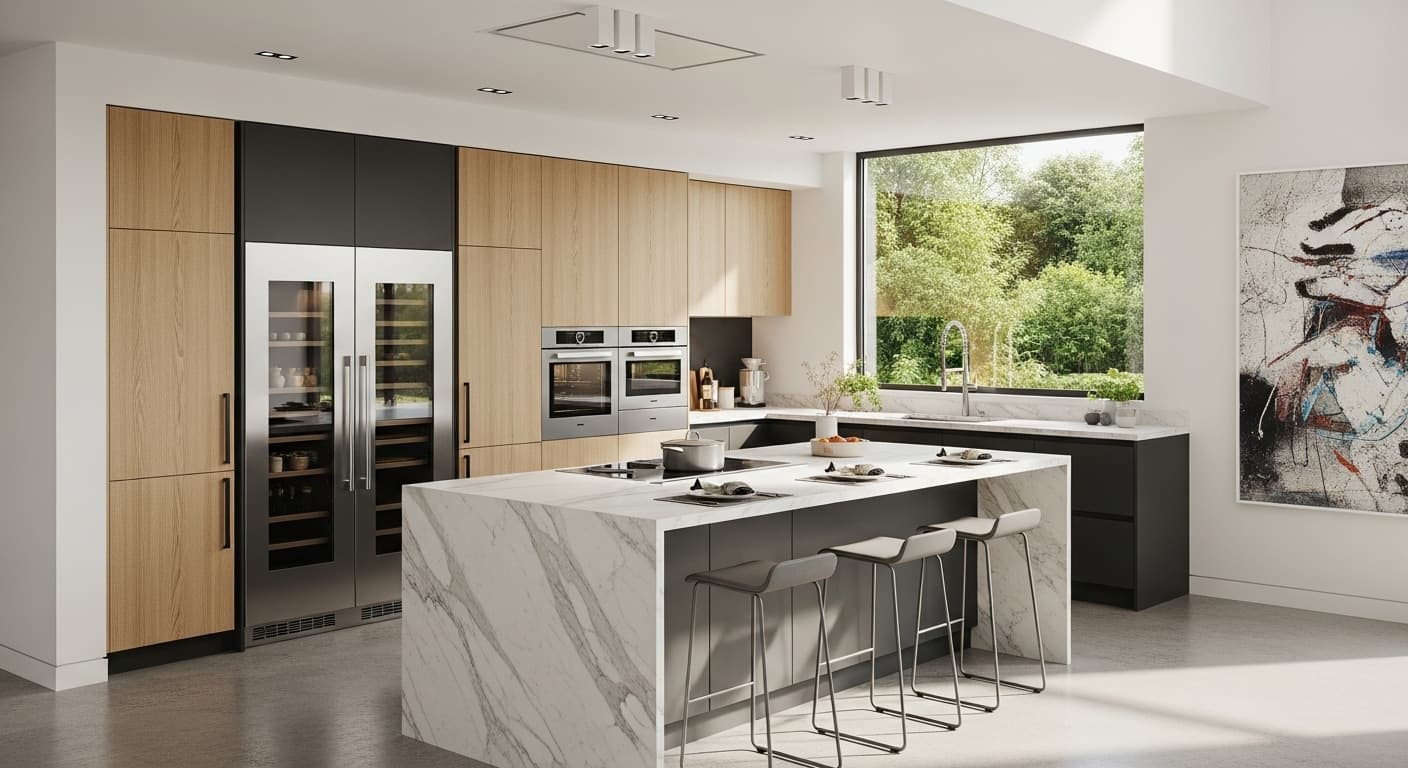
The kitchen is often described as the heart of the home. It is where families gather, meals are prepared, conversations happen, and daily life unfolds. Because of this, renovating a kitchen is one of the most impactful improvements a homeowner can make.
However, a successful kitchen renovation requires more than selecting cabinets and countertops. It requires thoughtful planning, structural awareness, and coordinated execution. When managed correctly, a kitchen remodel improves both the functionality and value of a home.

Defining the Vision for Your Kitchen
Every renovation begins with a clear vision. Some homeowners want a modern open-concept space, while others prioritise storage, cooking efficiency, or entertainment areas.
Understanding how the kitchen will be used helps guide the design. Layout, appliance placement, and workflow must all align with daily habits. A well-designed kitchen balances aesthetics with practical functionality.
Professional contractors and designers work together to ensure the final layout maximises both space and usability.
Layout and Workflow
One of the most important elements of kitchen design is workflow. The relationship between the sink, stove, and refrigerator — often referred to as the kitchen work triangle — determines how efficiently the space functions.
Poor layouts create congestion and limit movement, while well-planned layouts allow multiple people to work comfortably in the kitchen.
During renovation planning, structural walls, plumbing locations, and electrical systems must also be considered when adjusting layouts.

Materials and Finishes
Material selection plays a major role in both cost and durability. Cabinets, countertops, flooring, lighting, and backsplash materials must work together visually while also meeting everyday functional demands.
High-traffic areas like kitchens require durable surfaces that resist heat, moisture, and wear. While design trends change, quality materials ensure the renovation maintains its value over time.
Balancing style and durability is key to long-term satisfaction.
Budget Planning
Kitchen renovations vary widely in cost depending on size, materials, and structural adjustments. Custom cabinetry, high-end appliances, and layout modifications typically increase project budgets.
A professional contractor provides detailed cost breakdowns and contractual agreements outlining materials, labor, timelines, and payment stages. Proper budgeting ensures expectations remain aligned throughout the project.
Financial clarity prevents surprises.

Bringing the Kitchen to Life
Once structural work, plumbing, and electrical systems are installed, finishing elements transform the kitchen into a functional living space. Lighting, fixtures, appliances, and final detailing bring the entire design together.
Quality control during installation ensures the kitchen not only looks beautiful but performs efficiently for years to come.
A well-executed kitchen renovation improves everyday living while strengthening long-term property value.
Fest Construction
Your Vision. Precisely Built.
www.festconstruction.com